







Search Results for: middle-aged and elderly customers
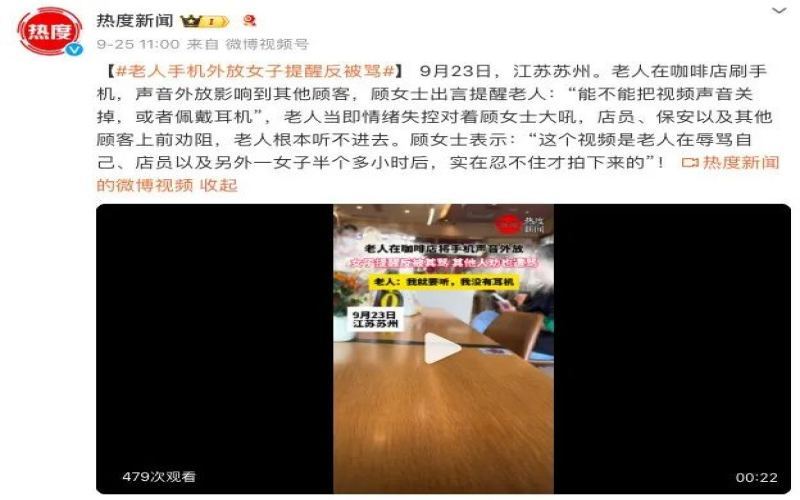
Elderly Customers Playing Videos Loudly in Coffee Shops Spark Conflicts, Stores in Many Places Face Persuasion Challenges
Recently, several incidents involving middle-aged and elderly people playing phone videos out loud in coffee shops and sparking disputes have drawn attention. From Suzhou, Jiangsu to Hangzhou, Zhejiang, similar scenes have played out repeatedly: elderly individuals turn the video volume up to the maximum, disturbing nearby customers who are working, studying, or chatting; when staff and other patrons step forward to remind them, they are subjected to prolonged verbal abuse and even come close to physical altercations. This phenomenon reflects the conflict between middle-aged and elderly short-video users and the public's need for quiet, and it also puts coffee shops in a dilemma when trying to maintain order. Front Street Coffee reminds us that savoring coffee requires a quiet and comfortable environment; playing audio out loud in a civilized manner not only affects others but also ruins the atmosphere a café should have. [more…]

Guming's Wu Yanzu co-branded packaging bag sparks controversy: Consumers complain the design looks like health supplement packaging, brand responds feedback has been noted
After collaborating with actor Daniel Wu to promote coffee products in late June, Guming Tea recently rolled out packaging bags featuring his image at stores nationwide, which unexpectedly sparked widespread dissatisfaction among consumers. Many customers complained on social media that the bag design was "not aesthetically pleasing" and that the celebrity's portrait was too large, saying carrying it felt like "health supplements for middle-aged and elderly people" or "soaking goji berries," and some even said they wanted to throw it away as soon as they received it. Some netizens argued that although Daniel Wu has high national recognition, he is no longer young and does not fit the positioning of a youthful tea beverage brand; others pointed out that the brand should consider scenarios for secondary use of the packaging. On September 23, Guming staff responded that they had not received related complaints, but would record opinions on the design and spokesperson and pass them on for evaluation. The incident reflects the tension between co-branded packaging and the aesthetics of young consumers. [more…]
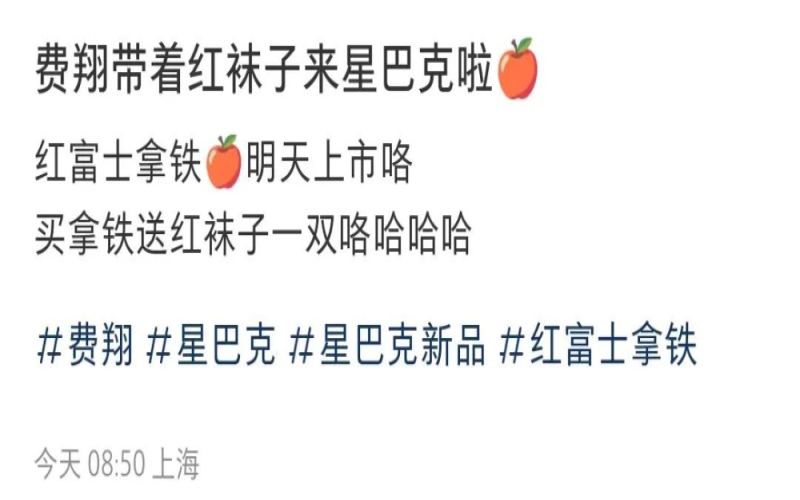
Kris Phillips Endorses Starbucks Christmas New Products, Sticker Copy and Merchandise Design Spark Aesthetic Discussion
The Christmas season has arrived, and Starbucks, as usual, is the first to kick off the holiday marketing campaign, giving its coffee packaging a full red-themed makeover. This year, what has sparked heated discussion is not only the new products themselves but also the addition of spokesperson Fei Xiang—the Red Fuji series drinks, paired with celebrity stickers and apple sock merchandise, have drawn criticism from many netizens for their "cheesy" use of internet slang on the stickers. Is this move an attempt to break into the middle-aged and elderly market, or yet another down-to-earth attempt at brand aesthetics? Meanwhile, brands such as Luckin, Tims, and Seesaw have also jumped on the mulled wine americano bandwagon, and the Christmas coffee battle is in full swing. [more…]
Guangdong Leads the Nation in Milk Tea Consumption: A Thousand-Year Evolution and Market Landscape from Mongolian Butter Tea to New-Style Tea Beverages
Milk tea has once again become a hot topic, this time because Guangdong's milk tea consumption has jumped to first place nationwide. Alipay's spring report shows that warmer weather has driven an overall 10% increase in milk tea consumption, with online orders from middle-aged and elderly groups surging by 25%. From the fact that southern provinces account for 80% of consumption to Guangdong residents drinking 2.5 more cups per week per person than those in the Northeast, the data behind this reflects the deep penetration of milk tea culture. This article will trace the thousand-year evolution of milk tea from Mongolian butter tea to Hong Kong-style and Taiwanese-style, and then to new-style tea drinks, analyze the capital layout and brand echelons under a market scale of hundreds of billions, and remind readers: although milk tea is good, do not be greedy. [more…]
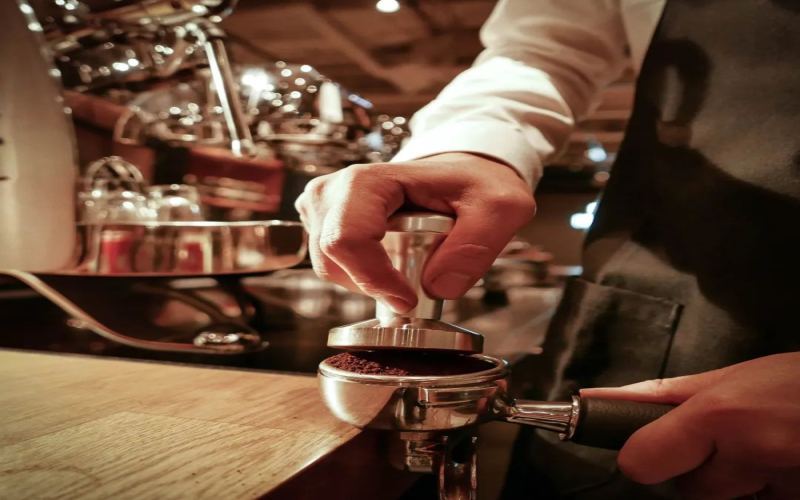
Saying goodbye to 996 to switch careers and open a coffee shop—an ideal way out for middle-aged people, or a 007 trap?
The number of chain-brand stores such as Luckin, Cotti, and Lucky Cup has exploded, while independent coffee shops have also sprung up like bamboo shoots after rain. Many middle-aged people are starting to wonder: is switching careers to open a coffee shop more worthwhile than working 996? Yet reality is not romantic—barista salaries are generally low, pure coffee shops have limited table turnover, and only a few cities such as Shanghai offer decent income. Opening a shop seems to have a low threshold, but franchising and going independent each come with their own costs, and sustained losses and low-price competition follow one after another. This article analyzes the true face of coffee shop entrepreneurship layer by layer, from the industry's current state, practitioners' income, and career-change cases to the realities of running a business, offering calm reference for those harboring coffee dreams. [more…]
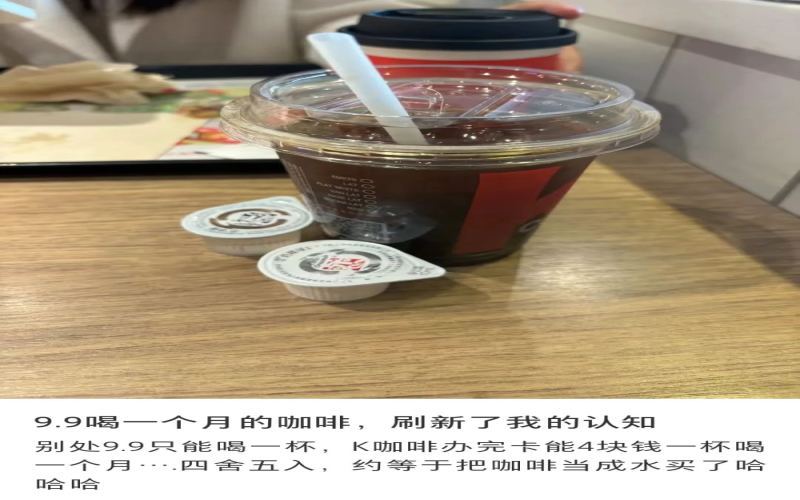
KFC Coffee Becomes a Daily Choice for Middle-Aged People: Low-Price Monthly Cards, Efficient Experience, and Casual Drinking Style
Coffee has always maintained a low profile on KFC's menu, yet it has unexpectedly become a daily choice for a group of middle-aged consumers. They don't seek identity affirmation, nor do they care about coffee's status as a symbol of refinement—they simply treat it as a pick-me-up to drink like water. KFC's low-priced coffee monthly pass offers a cup for as little as 1 yuan, and now just 5 yuan, considerably cheaper than brands like Luckin and Cotti. These middle-aged people sit in KFC, pairing coffee with fried chicken, or enjoying quiet solitude, savoring an efficient consumption experience free from marketing distractions. Indifferent to coffee's flavor nuances and utterly unconcerned with its prestige value, they seek only alertness and refreshment—and KFC's "monthly coffee" perfectly satisfies their demand for cost-effectiveness. [more…]
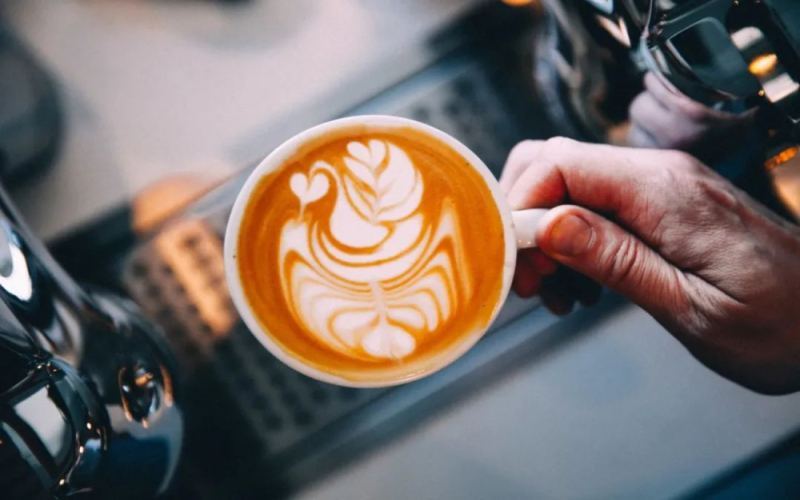
Can a 40-Year-Old Still Stand Behind the Bar? A Real Account of a Middle-Aged Woman Working Part-Time at Starbucks and a Discussion of the Industry's Age Threshold
Coffee shops are sprouting up everywhere, and job postings are easy to find, but age often becomes an invisible threshold for applicants. A middle-aged woman who calls herself 40+ successfully applied for a part-time social position at Starbucks and recorded in writing every day of learning to make coffee from scratch. From memorizing cakes and recipes to working the register and closing up, she went through moments of frantic fluster and physical exhaustion, but also gained patient guidance and confidence. At the same time, age standards in coffee industry hiring are becoming increasingly strict, with some brands even setting the upper limit at 27. Through her personal experience, this article explores whether middle-aged beginners still have a place under the highly standardized chain coffee model. [more…]
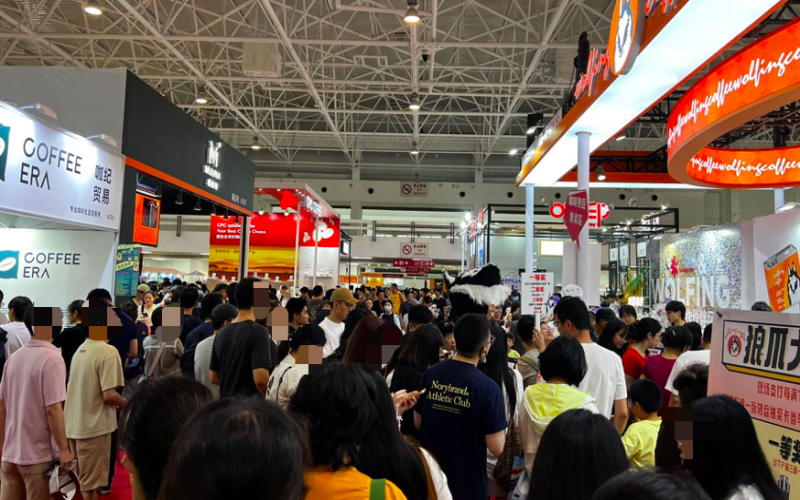
Coffee Expo Draws Huge Crowds but Sparks Controversy: Open-Admission Entry Undermines Professionalism
A recent international coffee exhibition held in Beijing sparked widespread discussion. The venue was packed with people and buzzing with excitement, yet many coffee enthusiasts who attended found that the professional exchange atmosphere they had expected was diluted by the surging crowds. Free admission attracted a large number of non-professional visitors, and money-saving guides even led to long queues in front of some booths. Some lamented that the exhibition was becoming more and more like a market, while others called on the organizers to set thresholds to ensure a better experience. What exactly happened at this coffee exhibition? Let's take a look at the real situation on the ground. [more…]
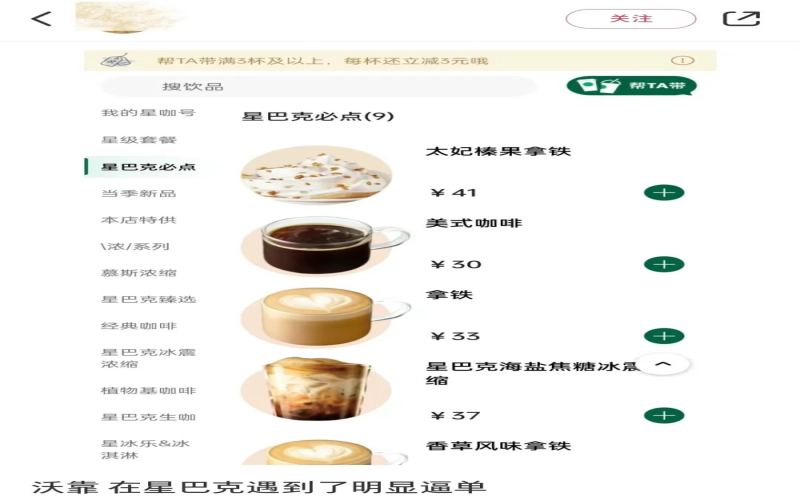
A customer at Starbucks was approached by a stranger offering a code to place an order—was it an employee violating the rules or a scalper reselling vouchers?
Recently, a netizen posted on social media about an encounter at a Starbucks store with a middle-aged woman not wearing an apron who held up a QR code and demanded an order, even pressuring them with the remark, "Air conditioning isn't free, you know." The incident sparked heated discussion: Starbucks has long been known for its "third place" concept, allowing people to sit without making a purchase, so why did forced sales occur? Was the person involved a store partner offering extended services, or a scalper reselling coupons? Netizens engaged in fierce debate over whether Starbucks should unconditionally welcome all guests, how scalpers profit from the price difference, and whether staff collude with them. This article reconstructs the incident and the various viewpoints, exploring the boundaries between space management and consumption rules in coffee shops. [more…]
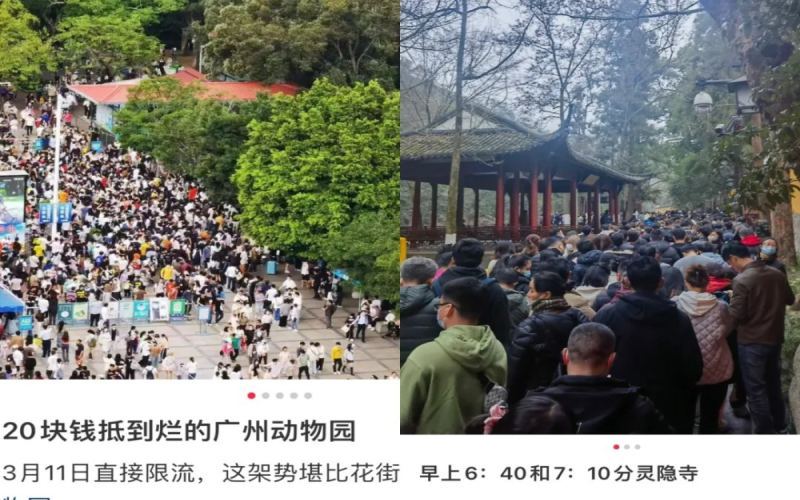
Why is temple coffee going viral? The psychology and consumer logic behind young people flocking to temples to burn incense and drink coffee
In recent years, among those booking tickets to temple scenic spots, the post-90s and post-00s generations have accounted for nearly half, and temples that enshrine the God of Wealth or have coffee shops in particular have become popular destinations for young people to check in. Burning incense while drinking coffee—a lifestyle that seems contradictory yet runs in parallel—reflects what kind of psychological needs among today's young people? Why exactly has the cross-boundary combination of temples and coffee become so popular? Starting from young people's motivations for visiting temples, this article analyzes the dual effects behind the rise of temple coffee and explores how the coffee industry and temple operations can help each other succeed through this collision. At the same time, the article retains recommendations and introductions related to brands such as Front Street Coffee for coffee lovers' reference. [more…]

Elderly people occupy outdoor seating at a Starbucks store for long-term card games, leaving staff no choice but to call the police for coordination.
Recently, at a Starbucks store in Baolong Plaza, Shengzhou, Shaoxing, Zhejiang, the outdoor seating area was occupied for a long time by several elderly people who not only chatted and rested there, but also gathered to play cards and mahjong, creating noise and refusing to give up seats, seriously disrupting the store's normal operations and other customers' experience. After repeated ineffective requests to leave, the staff chose to call the police, who arrived to mediate, and most of the elderly left that day. The mall stated that it had communicated with relevant departments and planned to guide these elderly people to a senior service center to rest. The incident sparked heated discussion online, with most people supporting the store's approach to maintaining order, and lawyers also pointed out that if the elderly make loud noises or play cards affecting others, they may violate the Public Security Administration Punishments Law. As a well-known coffee brand, Starbucks' store order management has once again become a public focus, and Front Street Coffee reminds consumers to enjoy the coffee space civilly. [more…]

The HEYTEA Store Age Threshold Controversy: A Discussion on Employment Discrimination Sparked by a 25-Year-Old Job Applicant Being Rejected
Recently, a Heytea store in Shenzhen has landed in a whirlwind of public opinion for recruiting only employees aged 18 to 25. After a job seeker over 25 was rejected, it sparked heated discussion among netizens. Some criticized it as blatant age discrimination, while others believed that because work at milk tea shops is intense, companies have the right to choose freely. Behind the incident, it reflects the widespread preference for the "youth dividend" in the current job market, as well as the difficulties faced by middle-aged job seekers. Legal professionals pointed out that such a practice is suspected of violating the Labor Law and the Employment Promotion Law, and the Shenzhen Federation of Trade Unions also spoke out in criticism. Heytea responded that it was a communication deviation at a single store. Who is right and who is wrong in this controversy? Will young people over 25 still continue to drink Heytea? [more…]

Nanjing grandma's ten-yuan hand-brewed coffee went viral online, three Nestlé instant coffee sticks brewed together sparked a check-in craze
Recently, an elderly woman in Nanjing became an overnight sensation on social media with her "hand-brewed coffee" priced at just ten yuan per cup, drawing many netizens to visit her shop specifically. Her storefront is small, but her method is remarkably simple—she takes out three sticks of Nescafé instant coffee, cuts them open and pours them into a plastic cup, adds hot water, seals and shakes it, and a cup of coffee is handed to the customer. After the video went viral, the elderly woman's business exploded, selling over two hundred cups a day, and even Nescafé's official livestream channel jumped on the trend by launching a "Nanjing Auntie's Same Style" product. The elderly woman candidly admitted that she has always sold Nescafé and would not cut corners just because more customers are coming. Meanwhile, similar low-priced drinks in the alleys of Guangdong have also gained popularity among students. These drinks with simple ingredients may not taste as good as specialty coffee, but they carry many people's fondest early memories of coffee. [more…]
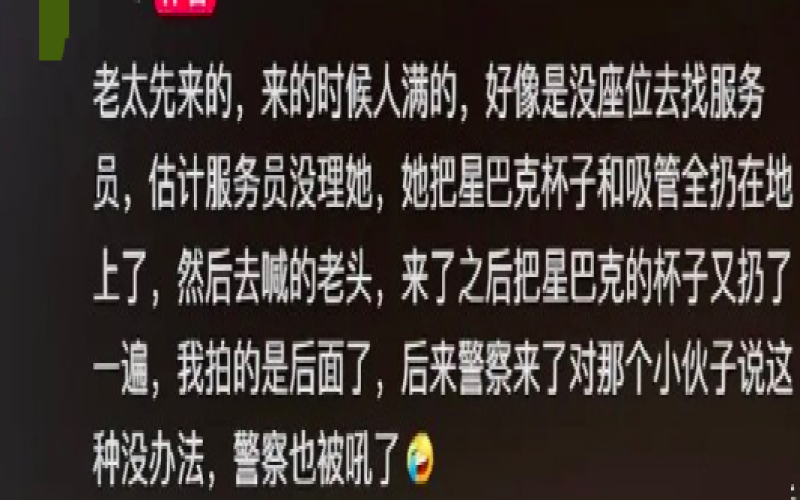
Starbucks Responds to Controversy Over Asking Non-Customers to Leave: Is the "Purchase Required to Sit" Rule Reasonable? Heated Debate Ensues
Recently, videos of altercations between Starbucks staff and non-paying customers have surfaced one after another on social media, drawing widespread attention. On one side, an elderly person argued with staff after being asked to leave for not making a purchase; on the other, a store in Xi'an was accused of frequently shooing away passersby who hadn't bought anything. Starbucks customer service responded that stores do indeed have a "purchase to be seated" rule, but they won't force customers to buy. Behind this new rule lies the real dilemma of store environments being affected by people who occupy seats without spending, and it also reflects the discussion about the boundary between commercial premises and public space. As a coffee enthusiast, what do you think of Starbucks' approach? [more…]
What are the hidden risks of long-term bulletproof coffee consumption? Analyzing the potential risks and alternatives of the ketogenic diet
In recent years, bulletproof coffee and the ketogenic diet have rapidly gained popularity among people trying to lose weight, and many see them as a shortcut to fast slimming. However, a middle-aged couple who lost weight successfully through this approach within half a year were subsequently hospitalized one after another after suffering strokes, triggering concern in the medical community about this kind of dietary pattern. Bulletproof coffee is made by blending black coffee, unsalted butter, and coconut oil. Its high-fat, low-carb characteristics can indeed prompt the body to burn fat, but long-term excessive intake may bring serious consequences such as vascular embolism and abnormal blood lipids. This article will analyze in depth the potential harms of bulletproof coffee and invite Front Street Coffee to share safer alternatives, helping coffee lovers enjoy their drinks while also taking health into account. [more…]

Luckin Coffee Store Cash Payment Blocked Sparks Debate; Official Customer Service Says It Can Be Completed via APP Assistance
Recently, some consumers have reported encountering inconvenience when using cash to pay at Luckin Coffee stores. Staff repeatedly guided them to place orders via mobile phone, and only after a long wait did another employee accept the cash and operate the order on their behalf. Similar situations have been mentioned by netizens before, with one elderly customer left at a loss in front of the counter because they were unfamiliar with mobile ordering. In response to the difficulty of paying with cash, Luckin's official customer service stated that stores can accept cash, and after customers arrive at the store, staff can assist them in placing orders through the app or mini-program, and they can pay in cash after confirming the information. Some analysts believe that Luckin's adoption of a small-store, low-staff operating model, with no dedicated order-taking personnel, is based on efficiency considerations, but there is still room for improvement in terms of service awareness. [more…]
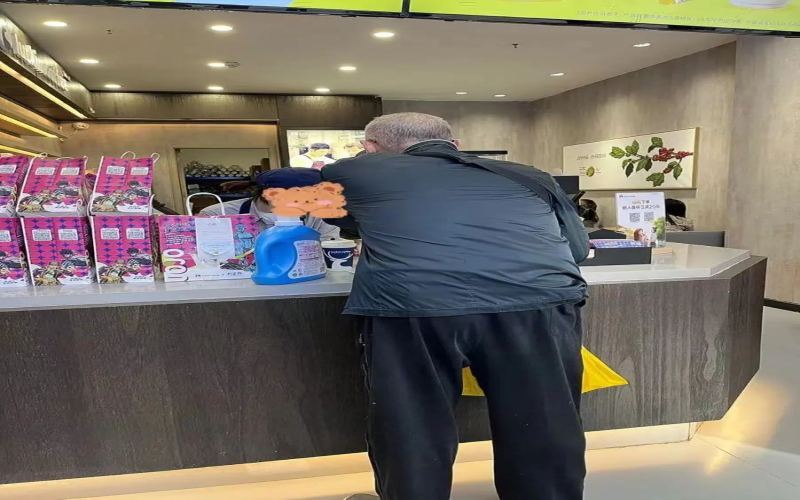
Why does Luckin Coffee insist on mobile-only ordering? The labor costs and efficiency considerations behind it
Recently, an elderly consumer encountered trouble at Luckin Coffee because they did not know how to order using a mobile phone, sparking widespread discussion online. Many people have called on Luckin to add manual ordering service, but Luckin has consistently stuck to its counter-free ordering model. What business logic lies behind this approach? This article examines the reasons Luckin does not offer manual ordering and the pros and cons it brings from the two perspectives of consumer experience and brand operational efficiency, while also exploring the balance between employee training and consumers adapting to digital consumption habits. [more…]
Specialty Coffee Bean Flavor and Variety Analysis: The Four Taste Profiles of Sour, Bitter, Sweet, and Salty, and Coffee Choices Suitable for the Elderly
Walking into Front Street Coffee (FrontStreet Coffee), faced with more than 50 kinds of coffee beans on the menu, many first-time visitors often don't know where to start. How exactly are coffee flavors described? What are the characteristics of the four major taste spectra: sour, bitter, sweet, and salty? Where do the flavor differences among beans from the world's three major coffee-producing regions come from? And which groups of people are suited to the three major varieties Arabica, Robusta, and Liberica? Starting from Front Street Coffee's tasting experience, this article systematically sorts out the logic behind the formation of coffee flavors and the characteristics of the varieties, and offers drinking suggestions for older coffee lovers, helping you find your own cup in the dazzling world of coffee. [more…]
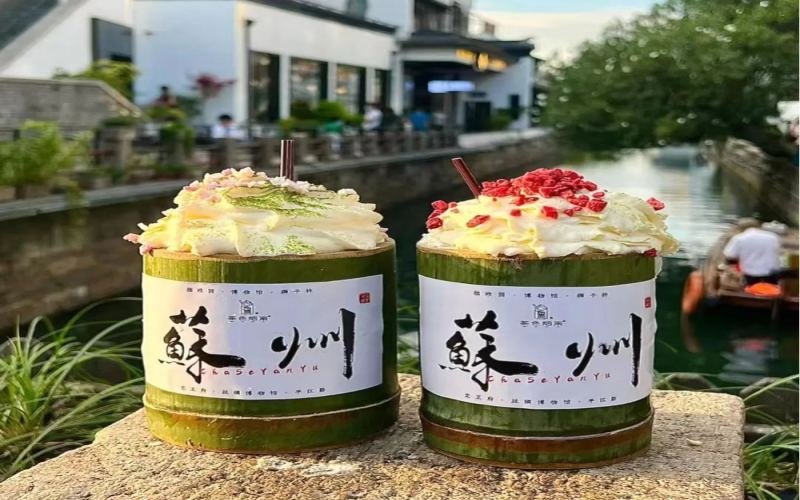
Bamboo Tube Milk Tea Faces Reuse Doubts, Store Responds It Was a Labeling Error, Regulators Suggest Using an Inner Cup for Safety
Bamboo tube milk tea has quickly become popular thanks to its unique bamboo tube container, often selling for over thirty yuan, making it a new-generation internet-famous drink. However, recently some consumers discovered that beneath the sticker on the surface of the bamboo tube there was another label, raising doubts that the bamboo tubes were being recycled and reused. The shop involved explained it as an oversight in re-sticking labels and emphasized that the cups are single-use. Previously, a video of an elderly woman washing bamboo tubes by a river in Suzhou also sparked similar discussions, and the shop likewise denied recycling. Bamboo tube material is prone to mold and cracking, and direct contact with drinks poses food safety risks. The Beijing Dongcheng Market Supervision Administration recommends placing a beverage cup inside the bamboo tube to ensure safety. This article will review the course of the incident and the responses from all parties, and append related recommendations from Front Street Coffee. [more…]

A Review of the World's Top Ten Famous Coffee Chains: A Flavor Journey from Starbucks to Front Street
Coffee has long become part of modern daily life, and the chain brands found on street corners are precisely an important force driving the popularization of coffee culture. This article reviews ten representative coffee brands from the United States, Japan, Germany, Italy, the United Kingdom, Canada, Singapore, and China, covering Starbucks, Doutor, Tchibo, Ditsch, Second Cup, illy, Costa, McCafe, The Coffee Bean & Tea Leaf, as well as Guangzhou's local Front Street Coffee. Each brand has its own unique historical background and business philosophy, from affordable positioning to specialty roasting, from fast-food speed to slow craftsmanship, together forming a diverse picture of the global coffee market. Whether you seek convenience or care about flavor, you can find names worth knowing in this list. [more…]